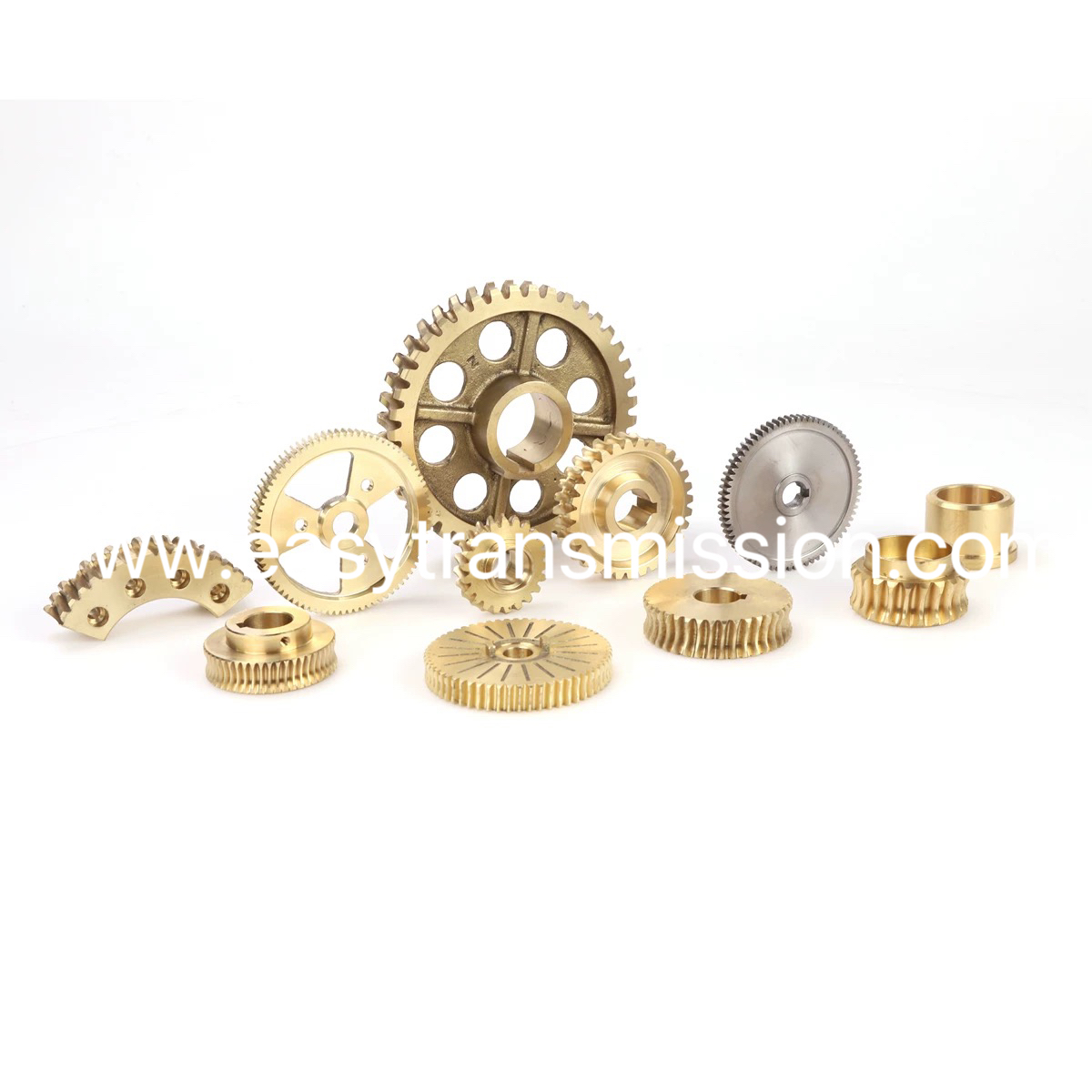
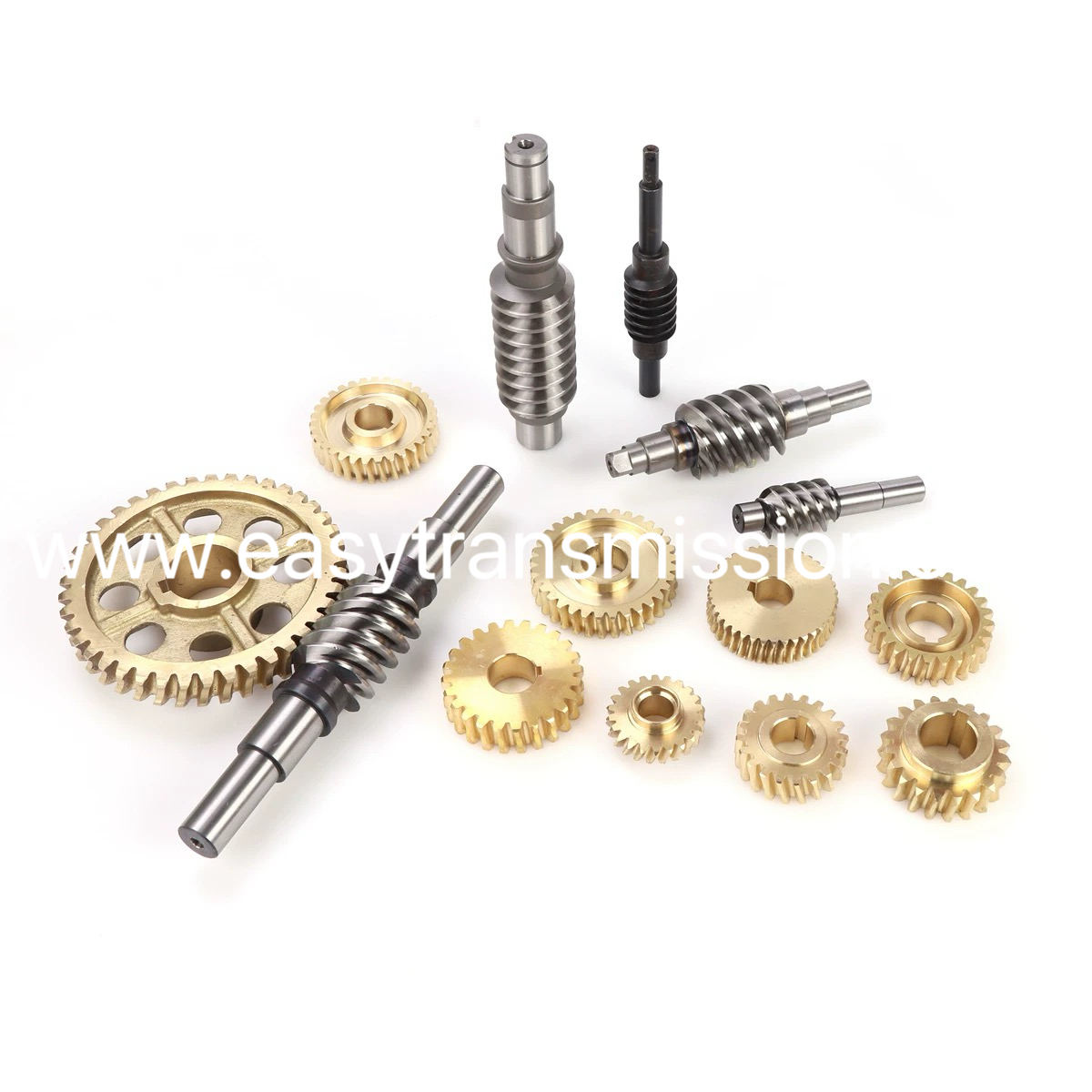
蜗杆蜗轮的头数指的是蜗杆上螺旋线的数量,通常用Z_1表示。以下是具体说明:
• 单头蜗杆:当蜗杆上只有一条螺旋线时,称为单头蜗杆。此时蜗杆转一周,蜗轮只转过一齿,单头蜗杆常用于需要大传动比、低转速输出的场合,如一些精密分度机构。
• 多头蜗杆:如果蜗杆上有两条或两条以上的螺旋线,则称为多头蜗杆,如双头蜗杆、三头蜗杆等。以双头蜗杆为例,蜗杆转一周,蜗轮会转过两个齿。多头蜗杆能在相同的蜗杆转速下,使蜗轮获得更高的转速,从而提高传动效率,常用于需要传递较大功率和较高转速的场合。
一般来说,蜗杆头数越多,传动效率越高,但加工难度也越大;头数越少,传动效率越低,但可实现较大的传动比。
The number of starts of a worm gear refers to the number of helical lines on the worm, usually represented by Z_1. The following is a detailed description:
• Single-start worm: When there is only one helical line on the worm, it is called a single-start worm. At this time, the worm rotates one circle and the worm wheel only rotates one tooth. Single-start worms are often used in situations where a large transmission ratio and low speed output are required, such as some precision indexing mechanisms.
• Multi-start worm: If there are two or more helical lines on the worm, it is called a multi-start worm, such as a double-start worm and a three-start worm. Taking a double-start worm as an example, when the worm rotates one circle, the worm wheel will rotate two teeth. Multi-start worms can make the worm wheel obtain a higher speed at the same worm speed, thereby improving the transmission efficiency. They are often used in situations where greater power and higher speed need to be transmitted.
Generally speaking, the more starts a worm has, the higher the transmission efficiency, but the greater the processing difficulty; the fewer starts, the lower the transmission efficiency, but a larger transmission ratio can be achieved.
If you need a quotation of worm gear and shaft,pls. Call or add WeChat 86-13622718016. or email 1178020664@qq.com